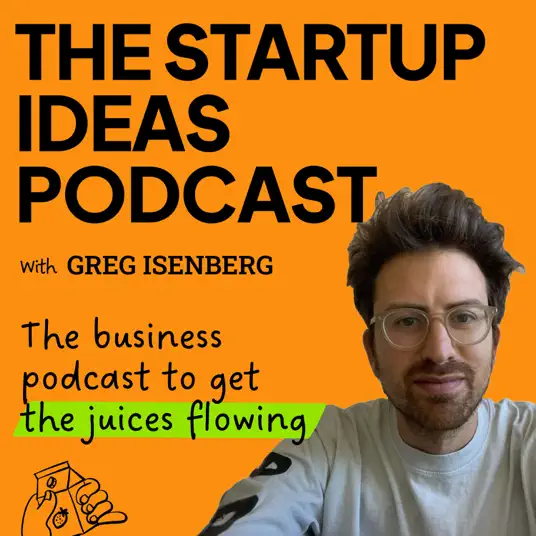
Conversations about startup concepts, internet businesses, community, and product opportunities.
Conversations about startup concepts, internet businesses, community, and product opportunities.
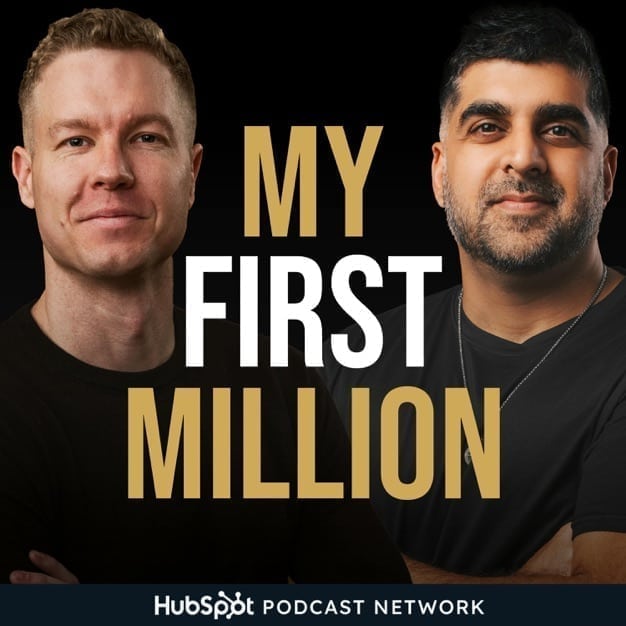
Business ideas, company breakdowns, and interviews with business builders.
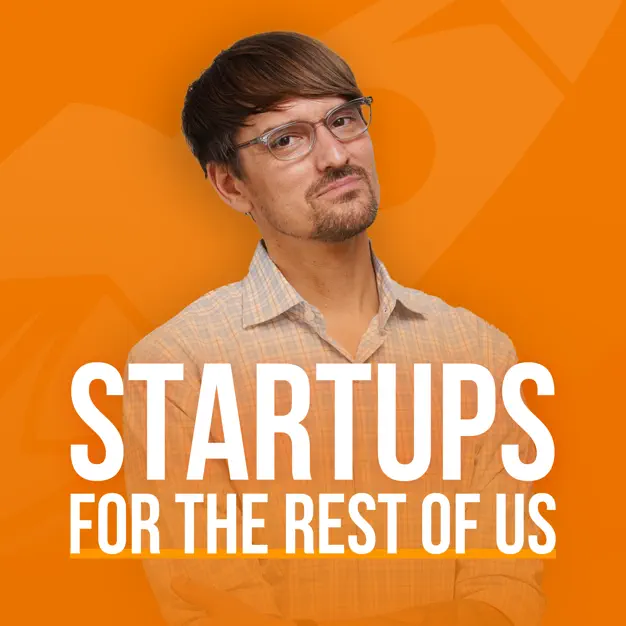
Practical discussions about independent software companies, early customers, recurring revenue, and founder decisions.
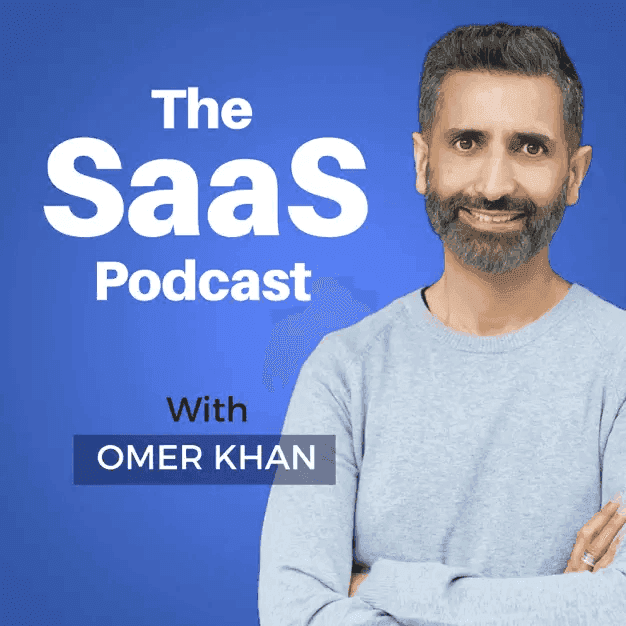
Founder interviews about product decisions, acquiring customers, sales, and software business growth.
Interviews and strategy discussions about online businesses, audiences, products, and creator businesses.
Conversations about technology companies, founder decisions, and venture investment.
Founder experiences and discussions about starting and operating businesses.
Conversations with SaaS founders, executives, and investors about growing software companies.
Startup advice and founder conversations from Y Combinator. Presenter and format vary by episode.
Conversations about starting and growing independent businesses with limited resources.
Interviews about the paths, decisions, successes, and failures of founders and other guests.

Interviews exploring the work and experiences of people building businesses independently.
Conversations about the realities of building independent businesses.
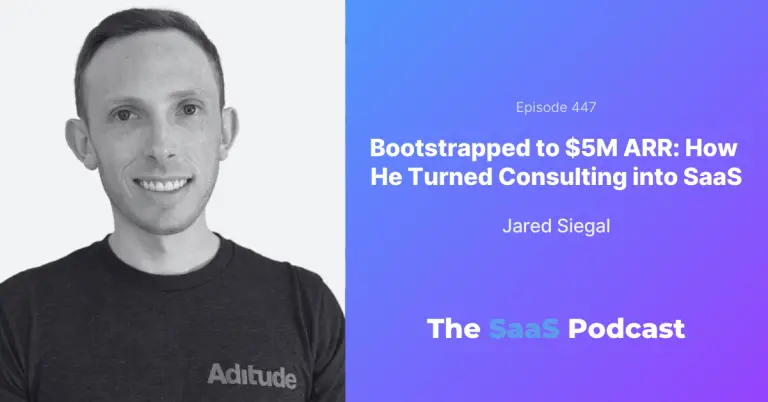 The SaaS Podcast
FOUNDER CONVERSATION · Jared Siegal
Siegal describes moving from paid ad-tech consulting to a software platform. Existing clients used the software before paying separately for it; consulting income financed development. He also explains referrals and the eventual decision to accept outside capital.
COMPANIES FROM THE CONVERSATIONS
Nathan Barry
Email marketing, automation, and newsletters for creators. Founded as ConvertKit and later renamed Kit.
Company & timeline
Company history
Software for planning, publishing, and measuring social media content. The company publishes financial and operating information.
Company & timeline
Jared Siegal
Ad monetization technology for digital publishers.
Company & timelineDIFFERENT APPROACHES
A free software period can work when existing consulting customers already pay for a service and the software becomes part of that service.
The SaaS Podcast2025-06-12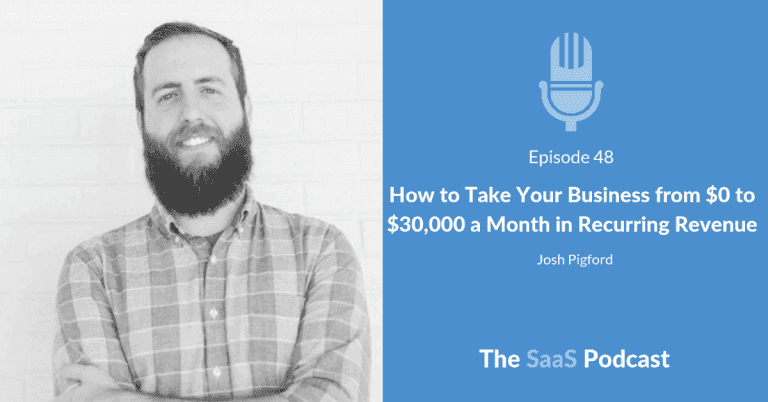
Charge when a B2B product already solves a measurable problem; use feedback from people who are willing to pay.
The SaaS Podcast2015-03-09HOSTS & GUESTS

Greg Isenberg leads Late Checkout, a holding company that starts internet businesses around audiences and communities.

Rob Walling builds, invests in, and writes about capital-efficient software businesses. He co-founded Drip and now runs MicroConf and co-founded TinySeed.

Omer Khan founded SaaS Club and hosts The SaaS Podcast. His work focuses on early-stage B2B software companies, customer acquisition, and retention.

Nathan Barry founded the creator email platform originally called ConvertKit. His earlier work included freelance design, apps, and books.
Pigford explains why a tool built for his own Stripe businesses became a paid product. Twitter and recommendations brought early buyers. He argues that paying customers provide more useful product feedback than a free beta, and describes rebuilding after observing actual usage.
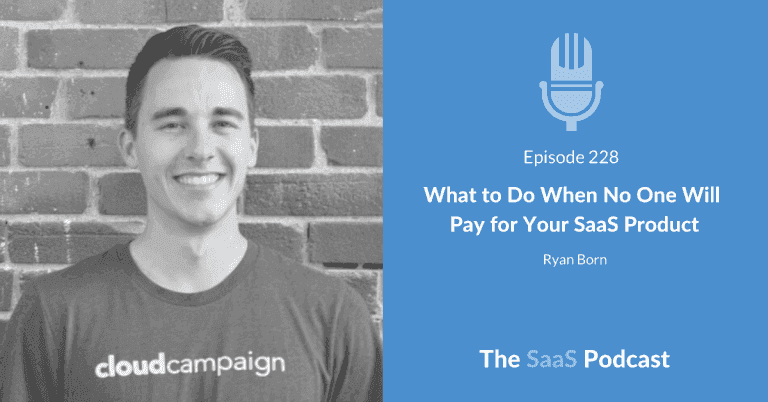
Born describes an early product that attracted signups but no paying customers. Conversations with agencies helped the team narrow its audience and offer. Small paid-channel experiments eventually identified a way to generate qualified leads.
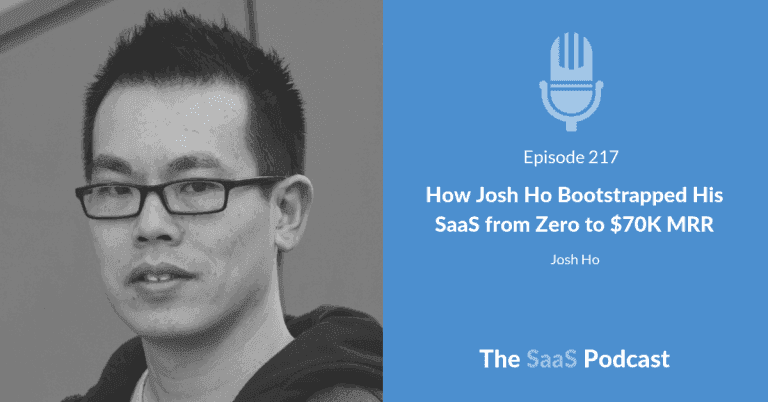
Ho discusses keeping an early product free before finally introducing paid plans. The interview covers a minimal first implementation, sales conversations, changing prices and the challenges of customer retention while bootstrapping.
FROM OFFICIAL HOST CHANNELS
Rob Walling · 60s · 2023-05-06
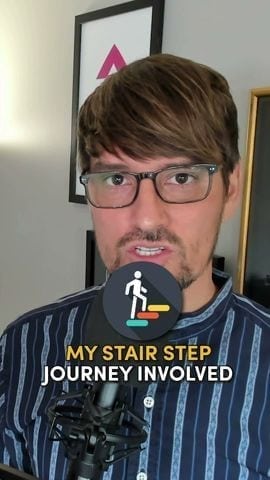
Rob Walling · 41s · 2023-03-25

Rob Walling · 41s · 2023-03-25

Rob Walling · 39s · 2023-03-12
Where do the first paying customers come from?
8 perspectives 02Which problem is worth building a business around?
6 perspectives 03How do you find out whether someone will pay?
9 perspectives 04When should you charge, and what are you testing?
5 perspectives 05What does funding change about a business?
3 perspectives 06Which channel fits the customer and the product?
3 perspectives